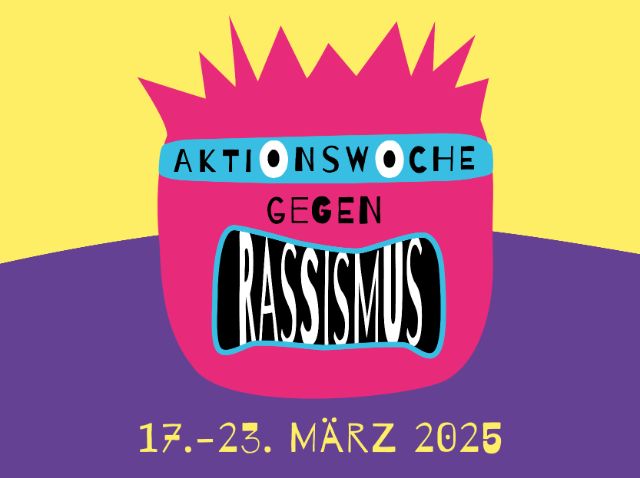
Aktionswoche gegen Rassismus 2025
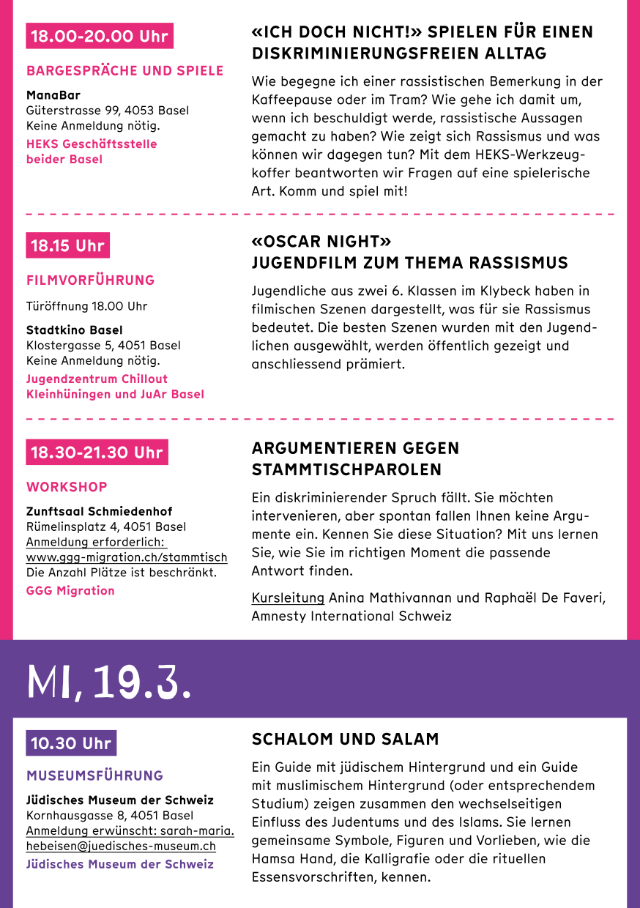
Dank der finanziellen Unterstützung der kantonalen Fachstelle Integration und Antirassismus und der eidgenössischen Fachstelle für Rassismusbekämpfung organisiert Radio X im Rahmen der Aktionswoche gegen Rassismus vom 17. bis 23. März 2025 die Auftaktveranstaltung zum Thema Hass im Netz, eine öffentliche Aktion mit dem Verein Frauenstadtrundgang sowie mit einer Schulklasse 1. Sekundar Drei Linden in Basel.
Darüber hinaus bringen wir ein intensives Radioprogramm über Antirassismus.
- Portrait der Organisation Netpathie am 20.03. um 7.15, 9.15, 12.15 und 17.15h
- Beitrag zu «Was ich dir nicht sage» von Anja Nunyola Glover am 21.03. um 7.15, 9.15, 12.15 und 17.15h
- 1. Klässler:innen der Sek Drei Linden beschäftigen sich mit den Folgen der Kolonialisierung und dem aktuell grassierenden Rassismus. Sie präsentieren ihre Gedanken, Diskussionen, Aktionen und Statements am Mikrofon. Am 21.03. um 8.00, 10.00, 11.00, 13.00, 15.00 und 16.00h
- Beitrag zu «Tabak und Schokolade» von Martin R. Dean am 24.03. um 7.15, 9.15, 12.15 und 17.15h








Kontakt
Social Media
Öffentliche Aktion in Zusammenarbeit mit einer Schulklasse und dem Verein Frauenstadtrundgang
1. Klässler:innen der Sek-Schule Drei Linden nahmen an einem Workshop des Frauenstadtrundgangs über Rassismus und Kolonialismus teil. Nach einem kurzen Radiocrashkurs wagten sich die 12- und 13-Jährigen auf die Strasse für eine Umfrage bei Passant:innen, in den Zoo Basel für ein Interview, ans Studiomikrofon für ein Rollenspiel oder eine Präsentation, welche Schlüsse und Meinungen sie sich nach der intensiven Beschäftigung mit Antirassismus bildeten.
Hier kannst du die sechs Hörstücke nachhören:
25.03.21 um 8.00h Serie Kolonialismus und Rassismus: Folge 1
Woche gegen Rassismus
25.03.21 um 10.00h Serie Kolonialismus und Rassismus: Folge 2
Woche gegen Rassismus
25.03.21 um 11.00h Serie Kolonialismus und Rassismus: Folge 3
Woche gegen Rassismus
25.03.21 um 13.00h Serie Kolonialismus und Rassismus: Folge 4
Woche gegen Rassismus
25.03.21 um 15.00h Serie Kolonialismus und Rassismus: Folge 5
Woche gegen Rassismus
25.03.21 um 16.00h Serie Kolonialismus und Rassismus: Folge 6
Woche gegen Rassismus
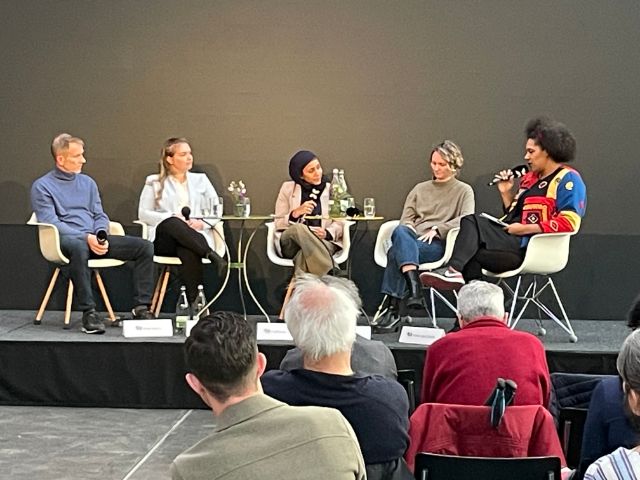
Auftaktveranstaltung der Aktionswoche gegen Rassismus: Hass im Netz
Die Aktionswoche gegen Rassismus 2025 ist mit der Podiumsveranstaltung offiziell eröffnet: Am Montag, 17. März um 17:00h waren fünf Gesprächspartner:innen in der Halle 7 in Basel miteinander im regen Austausch. Radio X bringt die anderthalb Stunden dauernde Diskussion als X-Plus-Sendungen in zwei Teilen.
25.03.20 und 25.03.22 Podiumsdiskussion Hass im Netz
X-Plus in der Woche gegen Rassismus
25.03.27 und 25.03.29 Podiumsdiskussion 2. Teil
X-Plus
Auf dem Podium beginnt Sophie Achermann (Geschäftsführerin der Public Discourse Foundation, Gründerin Stop Hate Speech) ein Inputreferat über Hass im Netz. Es folgt ein weiteres Inputreferat von Peter Sopka (Staatsanwaltschaft Basel-Stadt, Kriminalpolizei, Leiter Dezernat Digitale Kriminalität), der seine Polizeiarbeit vorstellt.
Im Anschluss diskutieren Tamara Hürlimann (Kriminologin, Workshopleiterin Netpathie), Fathima Ifthikar (Generalsekretärin Föderation islamischer Dachorganisationen Schweiz), sowie Peter Sopka und Sophie Achermann über Rassismus und Diskriminierung im Netz.
Moderation: Elisa da Costa (Gründerin Blackfluencers und Afrokaana, Sendungsmacherin Djoliba bei Radio X).
Portrait über Netpathie
Eine Podiumsdiskussionsteilnehmerin an der Auftaktveranstaltung "Hass im Netz" ist eine Workshopleiterin von Netpathie: Tamara Hürlimann. Was steht hinter dem Non-Profit-Verein, was war die Gründungsidee und wie deckt das Team unterschiedliche Branchen ab? Ein Portrait.
25.03.20 Portrait Netpathie
Info
Susanne Lüscher und Petra Marty sind die Co-Gründerinnen, die vor dreieinhalb Jahren den Verein Netpathie ins Leben gerufen haben. Es geht um einen respektvollen Umgang, eine sorgfältige Kommunikation und eine angemessene Begleitung von Heranwachsenden in der Digitalisierung.
Susanne Lüschers Background ist das Bildungssystem bzw. die Pädagogik. Petra Marty arbeitet in ihrem übrigen Arbeitspensum in der Privatwirtschaft. Die beiden Netpathie-Mitarbeiterinnen sind überzeugt, dass sie sich ideal ergänzen, wenn es um Workshops und Weiterbildungen mit Eltern, Heranwachsenden, Fachpersonen und Mitarbeitenden von Unternehmen geht. Im Team von Netpathie gibt es auch Psycholog:innen, Grafiker:innen, SRF-Sendeleiter:innen, Krimonolog:innen Cybercrime, Heilpädagog:innen usw.
Antirassistisches Buch von Anja Nunyola Glover
Ein Einblick in ihren täglichen Kampf gegen Rassismus, ihre psychischen und physischen Verletzungen sowie ein Buch für Empowerment und Selbstreflexion: Anja Nunyola Glover hat mit ihrem Debüt "Was ich dir nicht sage", das im Eigenverlag erschienen ist, viel angestossen und bewegt.
Die light-skinned Schwarze, deren Wurzeln in Ghana und der Schweiz sind, schreibt mit vielen autobiografischen Angaben über ihren Alltag: ein diskriminierender Affront hier, ein lieb gemeintes, aber ausgrenzendes Kompliment da oder eine neugierige Frage nach ihrer "wirklichen" Herkunft dort.
Antirassistisch, hinterfragend, selbst reflektierend, oftmals ruhig, aber laut denkend spricht die Autorin in Du-Form verschiedene Menschen der Leser:innenschaft an, unter anderem ihre Mutter, Politiker:innen, Auftraggebende, aber auch unbekannte Passant:innen.
Zeitlich und regional aktuell ist eine Textpassage über die Rassismus-Debatte an der Basler Fasnacht passend. Anja Nunyola Glover beschreibt rassistische Diskriminierung einer Fasnachtsclique 2024, die im Namen der Narrenfreiheit und angeblichen Sujet-Kreativität Menschen im Dschungel darstellt. Wie positioniert sich das Fasnachts-Comité dazu? Wie sieht diese Debatte an der Luzerner Fasnacht aus?
Die Autorin trägt verschiedene antirassistische Aktualitäten zusammen und kommentiert sie in einem klaren Ton.
"Was ich dir nicht sage" ist im Dezember 2024 erschienen, bewegt sich zwischen den Genre Roman und Sachbuch und ist hoch auf den Bestsellerlisten des Schweizer Buchhandels- und Verlags-Verbandes zu finden.
25.03.21 Was ich dir nicht sage von Anja Nunyola Glover
Infobeitrag in der Woche gegen Rassismus
Antirassistischer Roman "Tabak und Schokolade"
Der Basler Schriftsteller Martin R. Dean hat einen autobiografischen Roman geschrieben, der seine Kindheit auf der Karibikinsel Trinidad und Tobago und später im Wynental im Kanton Aargau thematisiert. In der Schweiz wurde und wird der Autor aufgrund seines Aussehens oft rassistisch angefeindet. Die Schweizer Schulen hätten ein grosses Potenzial in der antirassistischen Sensibilisierung, sagt der ehemalige Lehrer Martin R. Dean.
Als Gymnasiallehrer hat Martin Dean die Erfahrung gemacht, dass die Schüler:innen einen Motivationsschub erfahren, wenn ihre Migrationsgeschichte gesehen und anerkennt würde. Politische und literarische Diskussionen über Ressentiments, Hierarchien, Mikroaggressionen und Rassismus seien in den Schulen enorm wichtig, sagt er.

25.03.23 Tabak und Schokolade von Martin Dean
Info in der Woche gegen Rassismus
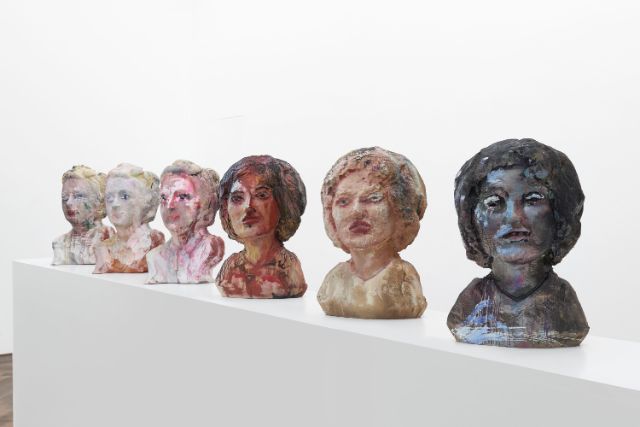
Kaari Upson - so sinnlich, so exorzistisch!
In ihrer Einzelausstellung Go Back The Way You Came erforscht die Kalifornierin zutiefst Subjektives und wirft dabei allerlei Fragen auf, die es nicht unbedingt zu beantworten gilt. Aktuell zu sehen in der Kunsthalle Basel. von Mirco Kaempf
19.09.28 Kaari Upson
Die Kalifornierin Kaari Upson ist sowas wie eine poetische Anthropologin. In der Ausstellung Go Back The Way You Came erhebt sie Vergangenes zu exorzistischen, post-Realen Kunstformen.
"San Bernardino liegt in Kalifornien und ist der Ort, aus dem McDonals entsprungen und Meth Amphetamin entdeckt worden ist" - So leitet Elena Filipovic, Direktorin der Kunsthalle Basel, auf die aktuelle Ausstellung Go Back The Way You Came ein. Beide, sie wie auch die Künstlerin Kaari Upson haben dort ihre Kindheit verbracht. Nebst vielen schönen Erinnerungen sei es allerdings auch ein Ort des Traumas, so Upson. Diese Erinnerungen bereitet sie auf, teilweise anthropologisch genau, manchmal absichtlich subjektiv und lose, um Kunst entstehen zu lassen. In unserem Gespräch gab sich die Künstlerin lässig, zugänglich und hatte auch ein paar Tipps und Einsichten für Studierende übrig. Die Ausstellung läuft noch bis am 10. November.
Right, so are you more of a punk than a classic rock fanatic?
Kaari Upson: I would like to think so, I’m a little old to be punk, but yeah!
It’s all a state of mind! But yeah, « Go Back The Way You Came » - the way Elena Filipovic told us about San Bernardino, it seemed to me like it would be a place of violence and the elements going crazy. Why do you go through that whole trauma of revisiting your home or your childhood home?
Well first of all I am very interested in the fact that this becomes a little bit more plural. For example I'm expanding the subjectivity through the lense of my friend at times. It’s not as personal as it seems but it stands in for any sense of place that had ritualistic trauma to it. And the very reason to rehearse it, or bring it back, is so that it’s not repressed. So it’s simply to unearth it and free yourself from it. I’m very interested in psychology and Freud and misreading Freud… so there is a time when you’re caught in the maze of it and you can’t get out and then all of a sudden when I’m installing [the work] in here and realising we were exorcising some real shit. And so you do that so that you don’t carry it. And that’s it. So why do it? It’s so I don’t become like my other crazy relatives that pretended it didn’t happen and literally closed the door and walked away and I exorcise the shit out of it.
So your own past doesn’t become a prison. Are you just a visitor basically?
There is so much time slippeage in it, I don’t know where I’m placed anymore. The idea of going in and just being a visitor doesn’t seem correct. It’s like it’s more than that. I think it’s the idea that I became it and it’s deadcenter inside of me and then I can decide to free it.
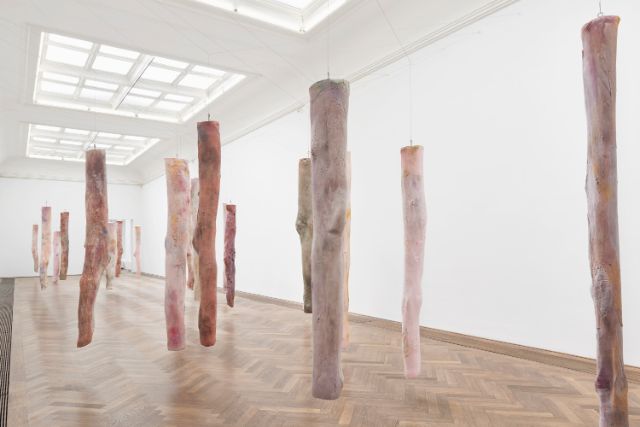
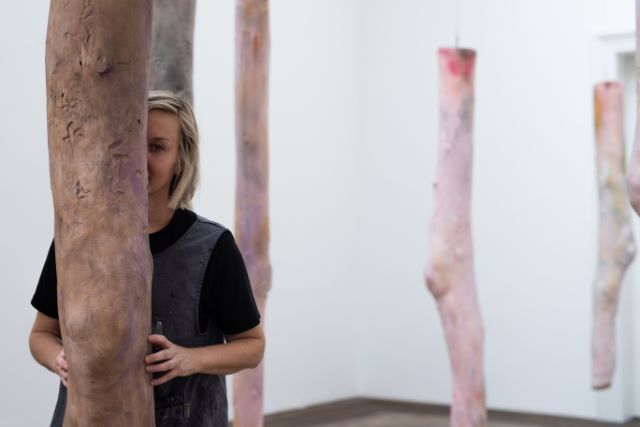
You as an artist make the personal universal in a way and I read that you had a painterly background. These wooden legs («Mother’s Legs») are basically paintings, which I quite like. When you did these, was there a more meditative approach to it or was the process a more rebellious one?
It was the most physical work! We were sweating in hazmat suits as a crew, we were playing the Yeah Yeah Yeahs and it was a very physical process. It was almost like we were athletes… You pull this rubber-like thing off of it hoping it’s not gonna rip and you laugh a lot because you’re falling over trying to pull this elastic band off of this hopefully static, solid thing… and you don’t know what it’s gonna look like so you get this moment of reveal… So there is a lot of laughing and having fun and it was a lot of like playing a game and hoping you’d win. So it’s not a meditation! Even when I was painting it was like «what is this gonna be» and like, wanting to own it… like master that moment and not fail.
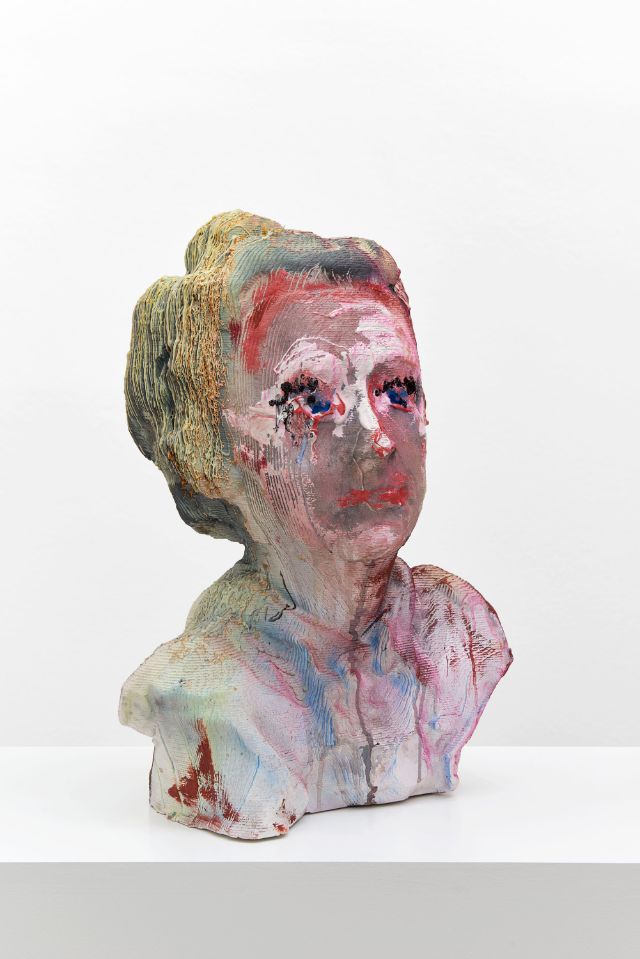
I like that approach, not quite knowing how it will turn out… You once stated that once your work leaves the studio, it’s dead.
Yeah
So is this dead art, does it belong to eternity now?
Yeah it’s dead! Sorry, it’s dead! But dead art is a good thing. I love the idea that it’s no longer mine. The only thing about I’d say that’s not true is the drawings. I could at any point go back in. I made them so big so that nobody should frame them so that if I’d see it anywhere I could just walk up to it and add another piece of text or a drawing if it’s neccessary. But I love the moment when the work leaves because we spraywash the whole studio with this giant machine and the whole studio becomes this giant puddle of water and then we normally throw a very large party – we didn’t get to do it yet – and we have a theme for the party which we take very seriously. And we cook whole pigs and have a DJ and we celebrate, and then we start all over again.
Do you like museums?
I love museums but I haven’t been able to see any since I arrived !
Don’t you feel like if a majority of society reveers a certain kind of art it’s kind of…
Oh yeah that’s total shit. When it’s the board members that… [pauses] Yeah I didn’t have the privilege to go to museums as a kid. My first experience of going to a museum was MOCA and I was 19 and I saw the Helter Skelter show and it was the best show, still in my head. Because well, it was my first show! And I went with this boyfriend who was being a complete asshole and then he left me alone and drove off so I was stuck walking around in this museum which was like a warehouse… looking at the craziest shit in my life. I mean this was Paul McCarthy and Raymond Pettibon was on the back wall and there were just these doodles on these pieces of paper... so that’s my experience of a museum. Otherwise yeah, it’s just the idea that every student that I know wants to show in an institution - I would say you got it all fucking backwards! I mean that’s the very thing we shouldn’t be aspriring to because it’s a closed system and there’s more power in other places. So yeah, we still have our own little areas like in my studio, we are opening a tiny little restaurant for one and it has like a turnover space where I get to do whatever I want or whatever they want but yeah…. I still love museums.
What would you say to those students of art then, how do you become culturally significant ?
Oh, am I significant ? (laughs) I don’t know. You come back in ten years and maybe I’ll have an answer.
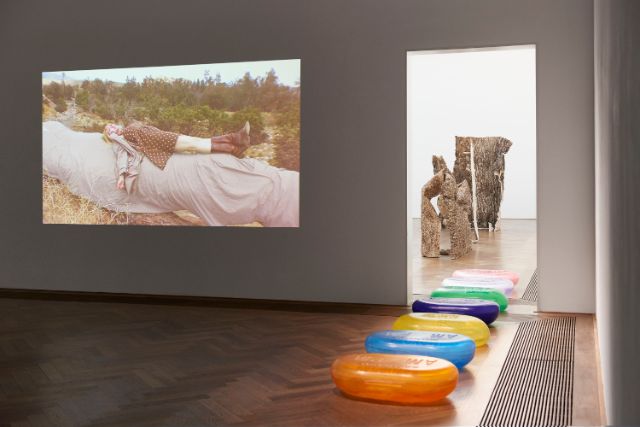
Should it be the goal though, to become significant ?
No ! I’m too public now, nobody should recognise me. And they don’t. Because artists aren’t famous people. There is no ‘becoming that’. The goal should be that nobody can locate you completely. That’s my answer.
I started late. I think the best thing you can do is not show your artwork. And stay hidden for a very long time and then you know the moment that you need to show it. Because I didn’t even know for most of my years painting that you need context. And you need a viewer in order for it to be art. My closest friend said that I wasn’t an artist because nobody saw the work. And it freaked me out because I didn’t even know that was possibility. I was like, I’m painting since I’m 16 and she was my best friend and she said that’s not art because there is no context. And so I gave examples of some guy in Siberia that was cutting trees and carving them in the middle of nowhere, so he’s not an artist? And she said no. So I decided to go back to school and have conversations and for me it was the greatest experience of my life because well, I was ready for it.
Do you think that the becoming of the self is the most important thing in the world?
Well since all my work is circling that, I think it’s circling it because I’m questioning if that’s even true. We cut this tree down and the recording of it didn’t account for it very well at all - even though it was really impactful. I mean, this tree was 80feet with the branches and when it hit the ground I had this very weird moment where I felt like that this is so much more important than anything. I couldn’t give it language. It was a crazy feeling that something was so much more relevant than anything. Like all those neuroses, ideas and thoughts of humans meant nothing. It was a real physical space. So I don’t know, maybe I’m circling the Self because I don’t know if that’s the thing where it actually is at.
Would you say though that this is exactly the most important thing an artist can do, to explore his or her own soul until it’s bare so the rest oft he world can benefit from that?
No I would not say that. I record myself in ways, but what I’m doing is to pathologically, impulsively, irrationally and rationally record everything. The video is recording, the sound, the putting latex on shit, the, sitting and writing thoughts about your dreams – All of it is recording. I don’t really look in as much as I think I’m looking out – and then taking it all and then filtering it through what I have, which is this body and that’s the only time when I think that I matter.
That sounds like a very scientific approach
It is ! I took a lot of anthropology courses and look at documentary, film and stuff. I really like the slippeage in it, finally pointing back to the fact that there is no way to record without altering and that there is always subjectivity in everything. And I like that. The more of it, the better !
Last question, what disturbs you most about the modern world?
(pauses) That anybody could find me at any time because I have this phone… Like I can’t get lost. And I used to say that the feeling of being lost, like when you literally go to a place and you don’t know where you are is one of my happy moments. And I don’t have that anymore – cause I have a phone. And I always know where I am. All the time. And it sucks.
Throw it into the river!
No ! People need to reach me! I have to talk to them! So I’m never lost anymore.
Thank you for the interview!
Verwandte Artikel

Bizarre Silks, Private Imaginings and Narrative Facts, etc
So heisst die neue Ausstellung in der Kunsthalle. Der Künstler Nick Mauss hat diese zusammengestellt. Er hat das Ausstellungsmachen wiederholt zur Kunstform gemacht. Zeitgenössische und historische Werke wurden zusammengebracht und neu in den Kontext gesetzt. Wir nehmen dich im Kulturtipp mit auf einen kleinen Rundgang durch die Ausstellung.

I am Gong -Dora Budor
Die aktuelle Ausstellung in der Kunsthalle Basel erzählt die geschichtliche Beziehung zwischen der Kunsthalle und dem Musiksaal quer genüber im Stadtcasino Basel. Der Auslöser der Klänge und visuellen Effekte in der Ausstellung, sind auf die Verbindung der zwei Gebäude zurückzuführen. Auf den ersten Blick ist es nicht ersichtlich, was gezeigt wird, aber sobald du erfährst, was dahinter steckt, wirst du es verstehen.
Der Flirt zwischen dem Analogen und Hyperdigitalem
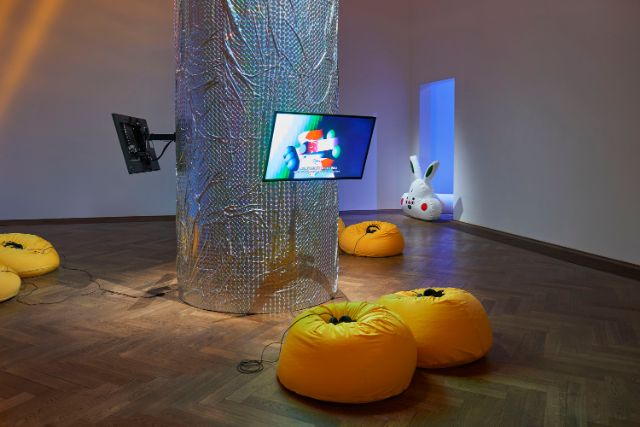
Im Rahmen zweier Ausstellungen der Kunsthalle Basel darf der Besucher in den oberen Räumen selber Hand anlegen, während er sich in den unteren Räumen berieseln lassen darf.
.png/jcr:content/magnolia-medium.png)