
Aktionswoche gegen Rassismus 2025
Dank der finanziellen Unterstützung der kantonalen Fachstelle Integration und Antirassismus und der eidgenössischen Fachstelle für Rassismusbekämpfung organisiert Radio X im Rahmen der Aktionswoche gegen Rassismus vom 17. bis 23. März 2025 die Auftaktveranstaltung zum Thema Hass im Netz, eine öffentliche Aktion mit dem Verein Frauenstadtrundgang sowie mit einer Schulklasse 1. Sekundar Drei Linden in Basel.
Darüber hinaus bringen wir ein intensives Radioprogramm über Antirassismus.
- Portrait der Organisation Netpathie am 20.03. um 7.15, 9.15, 12.15 und 17.15h
- Beitrag zu «Was ich dir nicht sage» von Anja Nunyola Glover am 21.03. um 7.15, 9.15, 12.15 und 17.15h
- 1. Klässler:innen der Sek Drei Linden beschäftigen sich mit den Folgen der Kolonialisierung und dem aktuell grassierenden Rassismus. Sie präsentieren ihre Gedanken, Diskussionen, Aktionen und Statements am Mikrofon. Am 21.03. um 8.00, 10.00, 11.00, 13.00, 15.00 und 16.00h
- Beitrag zu «Tabak und Schokolade» von Martin R. Dean am 24.03. um 7.15, 9.15, 12.15 und 17.15h










Kontakt
Social Media
Öffentliche Aktion in Zusammenarbeit mit einer Schulklasse und dem Verein Frauenstadtrundgang
1. Klässler:innen der Sek-Schule Drei Linden nahmen an einem Workshop des Frauenstadtrundgangs über Rassismus und Kolonialismus teil. Nach einem kurzen Radiocrashkurs wagten sich die 12- und 13-Jährigen auf die Strasse für eine Umfrage bei Passant:innen, in den Zoo Basel für ein Interview, ans Studiomikrofon für ein Rollenspiel oder eine Präsentation, welche Schlüsse und Meinungen sie sich nach der intensiven Beschäftigung mit Antirassismus bildeten.
Hier kannst du die sechs Hörstücke nachhören:
25.03.21 um 8.00h Serie Kolonialismus und Rassismus: Folge 1
Woche gegen Rassismus
25.03.21 um 10.00h Serie Kolonialismus und Rassismus: Folge 2
Woche gegen Rassismus
25.03.21 um 11.00h Serie Kolonialismus und Rassismus: Folge 3
Woche gegen Rassismus
25.03.21 um 13.00h Serie Kolonialismus und Rassismus: Folge 4
Woche gegen Rassismus
25.03.21 um 15.00h Serie Kolonialismus und Rassismus: Folge 5
Woche gegen Rassismus
25.03.21 um 16.00h Serie Kolonialismus und Rassismus: Folge 6
Woche gegen Rassismus
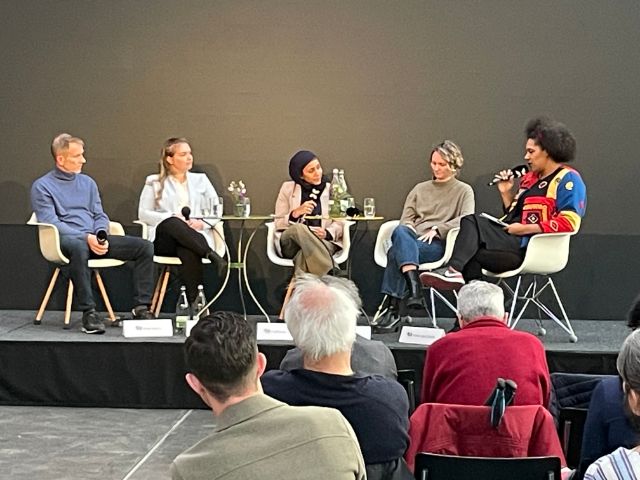
Auftaktveranstaltung der Aktionswoche gegen Rassismus: Hass im Netz
Die Aktionswoche gegen Rassismus 2025 ist mit der Podiumsveranstaltung offiziell eröffnet: Am Montag, 17. März um 17:00h waren fünf Gesprächspartner:innen in der Halle 7 in Basel miteinander im regen Austausch. Radio X bringt die anderthalb Stunden dauernde Diskussion als X-Plus-Sendungen in zwei Teilen.
25.03.20 und 25.03.22 Podiumsdiskussion Hass im Netz
X-Plus in der Woche gegen Rassismus
25.03.27 und 25.03.29 Podiumsdiskussion 2. Teil
X-Plus
Auf dem Podium beginnt Sophie Achermann (Geschäftsführerin der Public Discourse Foundation, Gründerin Stop Hate Speech) ein Inputreferat über Hass im Netz. Es folgt ein weiteres Inputreferat von Peter Sopka (Staatsanwaltschaft Basel-Stadt, Kriminalpolizei, Leiter Dezernat Digitale Kriminalität), der seine Polizeiarbeit vorstellt.
Im Anschluss diskutieren Tamara Hürlimann (Kriminologin, Workshopleiterin Netpathie), Fathima Ifthikar (Generalsekretärin Föderation islamischer Dachorganisationen Schweiz), sowie Peter Sopka und Sophie Achermann über Rassismus und Diskriminierung im Netz.
Moderation: Elisa da Costa (Gründerin Blackfluencers und Afrokaana, Sendungsmacherin Djoliba bei Radio X).
Portrait über Netpathie
Eine Podiumsdiskussionsteilnehmerin an der Auftaktveranstaltung "Hass im Netz" ist eine Workshopleiterin von Netpathie: Tamara Hürlimann. Was steht hinter dem Non-Profit-Verein, was war die Gründungsidee und wie deckt das Team unterschiedliche Branchen ab? Ein Portrait.
25.03.20 Portrait Netpathie
Info
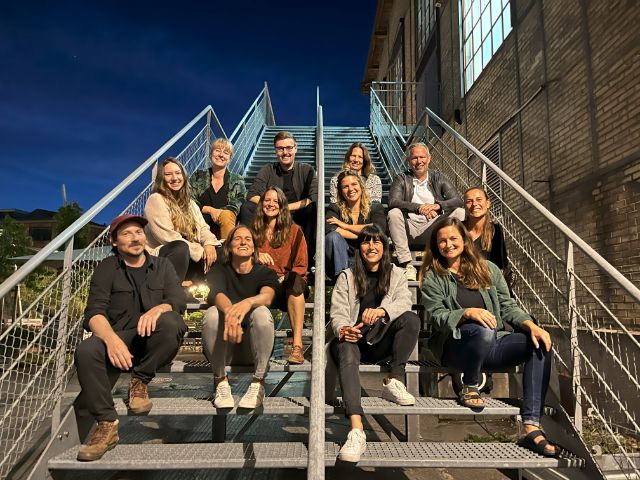
Susanne Lüscher und Petra Marty sind die Co-Gründerinnen, die vor dreieinhalb Jahren den Verein Netpathie ins Leben gerufen haben. Es geht um einen respektvollen Umgang, eine sorgfältige Kommunikation und eine angemessene Begleitung von Heranwachsenden in der Digitalisierung.
Susanne Lüschers Background ist das Bildungssystem bzw. die Pädagogik. Petra Marty arbeitet in ihrem übrigen Arbeitspensum in der Privatwirtschaft. Die beiden Netpathie-Mitarbeiterinnen sind überzeugt, dass sie sich ideal ergänzen, wenn es um Workshops und Weiterbildungen mit Eltern, Heranwachsenden, Fachpersonen und Mitarbeitenden von Unternehmen geht. Im Team von Netpathie gibt es auch Psycholog:innen, Grafiker:innen, SRF-Sendeleiter:innen, Krimonolog:innen Cybercrime, Heilpädagog:innen usw.
Antirassistisches Buch von Anja Nunyola Glover
Ein Einblick in ihren täglichen Kampf gegen Rassismus, ihre psychischen und physischen Verletzungen sowie ein Buch für Empowerment und Selbstreflexion: Anja Nunyola Glover hat mit ihrem Debüt "Was ich dir nicht sage", das im Eigenverlag erschienen ist, viel angestossen und bewegt.
Die light-skinned Schwarze, deren Wurzeln in Ghana und der Schweiz sind, schreibt mit vielen autobiografischen Angaben über ihren Alltag: ein diskriminierender Affront hier, ein lieb gemeintes, aber ausgrenzendes Kompliment da oder eine neugierige Frage nach ihrer "wirklichen" Herkunft dort.
Antirassistisch, hinterfragend, selbst reflektierend, oftmals ruhig, aber laut denkend spricht die Autorin in Du-Form verschiedene Menschen der Leser:innenschaft an, unter anderem ihre Mutter, Politiker:innen, Auftraggebende, aber auch unbekannte Passant:innen.
Zeitlich und regional aktuell ist eine Textpassage über die Rassismus-Debatte an der Basler Fasnacht passend. Anja Nunyola Glover beschreibt rassistische Diskriminierung einer Fasnachtsclique 2024, die im Namen der Narrenfreiheit und angeblichen Sujet-Kreativität Menschen im Dschungel darstellt. Wie positioniert sich das Fasnachts-Comité dazu? Wie sieht diese Debatte an der Luzerner Fasnacht aus?
Die Autorin trägt verschiedene antirassistische Aktualitäten zusammen und kommentiert sie in einem klaren Ton.
"Was ich dir nicht sage" ist im Dezember 2024 erschienen, bewegt sich zwischen den Genre Roman und Sachbuch und ist hoch auf den Bestsellerlisten des Schweizer Buchhandels- und Verlags-Verbandes zu finden.
25.03.21 Was ich dir nicht sage von Anja Nunyola Glover
Infobeitrag in der Woche gegen Rassismus
Antirassistischer Roman "Tabak und Schokolade"
Der Basler Schriftsteller Martin R. Dean hat einen autobiografischen Roman geschrieben, der seine Kindheit auf der Karibikinsel Trinidad und Tobago und später im Wynental im Kanton Aargau thematisiert. In der Schweiz wurde und wird der Autor aufgrund seines Aussehens oft rassistisch angefeindet. Die Schweizer Schulen hätten ein grosses Potenzial in der antirassistischen Sensibilisierung, sagt der ehemalige Lehrer Martin R. Dean.
Als Gymnasiallehrer hat Martin Dean die Erfahrung gemacht, dass die Schüler:innen einen Motivationsschub erfahren, wenn ihre Migrationsgeschichte gesehen und anerkennt würde. Politische und literarische Diskussionen über Ressentiments, Hierarchien, Mikroaggressionen und Rassismus seien in den Schulen enorm wichtig, sagt er.

25.03.23 Tabak und Schokolade von Martin Dean
Info in der Woche gegen Rassismus
Destruktive Hoheit: Lithics mit Tower of Age
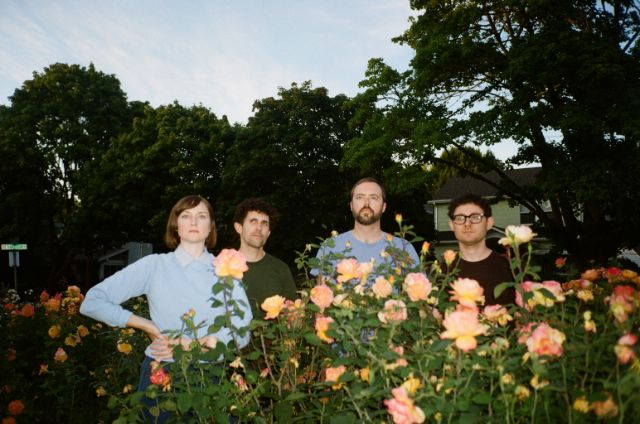
Auf dem dritten Longplayer der Portland Postpunks wird der Harmonie den Rücken gekehrt. Doch sind es die surrealistischen Poesiefetzen und deadpan Vocals, die berauschen wie ein nüchterner Acidtrip. Check out our interview! von Mirco Kaempf
Album der Woche - Lithics - Tower of Age
Der Turm der Subjektivität ist schwer zu stürzen. Folgen wir allerdings ihrem Aufruf, macht uns Tower of Age zu besseren Menschen.
Stellt euch vor, ihr lebt auf diesem sich rasant drehenden Planeten, lebt und lernt und gewöhnt euch an Gelerntes und irgendwann lebt ihr dann nur noch dahin, in eurem selbst erbauten Turm der Gewohnheiten und seid irgendwie Apart des Lebens geworden. Im Song Tower of Age singt Post Punk Poetin Aubrey Hornor genau hiervon und ruft dazu auf, diese Wände jenes Turmes des Gelernten und Gewohnten niederzureissen und so wieder in wunderlicher Manier Teil dieser Welt zu werden. So priesterlich, abstrakt und metaphorisch der Aufruf, so herrlich, chaotisch und herausreissend wird dies musikalisch von der Band intoniert. Es ist der ganz normale, surrealistische Irrsinn, den Lithics auch in ihrem dritten Album heraufbeschwören. Schaut umher! Nein schaut richtig hin! Was seht ihr? A Highly Textured Ceiling! Snake Tattoo! Mice In The Night! Es sind merkwürdige und dennoch koherente, dekonstruierte Wortgewalten, deren Eloquenz und Wichtigkeit kaum überzubewerten ist. Denn: Nur wenn wir uns fragen, was eigentlich ein Cricket Song Through Open Window ist, beginnen wir vielleicht wieder ein wenig mehr, unsere Welt zu sehen und verstehen. Folgt Lithics via Bandcamp / Instagram / Twitter / Youtube.
If I were to ask you, Who are Lithics, what would you say?
Bob: I would say Lithics is me Bob Desaulniers, singer Aubrey Horner, Mason Crumley with guitar and Wiley Hickson on drums.
That is a very pragmatic answer!
Bob: Yeah that’s literally who we are
Have Lithics always sounded like Lithics? Is there a specific signature sound you’re going for?
Bob: It would be nice to think that we had a sound you know, but I think for us it just kind of happened and we didn't overthink it too much. I think it’s just these 4 specific people in the room that make that sound.
How do you write a Lithics song - what's the standard process there?
Bob: It just so happens differently every time I guess but the general sort of processes is that we improvise a lot in our practices. We also record our practices so sometimes the Improv will turn out to be something we can work with and then we usually build it up from there and typically Aubrey's vocals and lyrics are the last part to get added. It's usually just kind of assembling it. Maybe we'll do some edits and you know, it's a pretty standard process.
You are a very tight sounding band and are obviously very versatile musicians. But there’s still another quality to it. I read that Aubrey used to be a drummer turned-slide-guitarist and some people would probably argue that your sound is actually really arbitrary. Do you think that a certain handicap in playing can be like a benefit or freedom?
Bob: Oh yeah I think so. Limitations can easily become a form of freedom where you know what you're working with and you don't have unlimited options as musicians but we can do what we do.
Is playing music for ever a battle for you?
Bob: It depends on the day (laughs) we go with the things that come together easily. Sometimes there's like an overwrought idea that just doesn't work out. We don't like to overthink anything musically.
It sounds like controlled chaos to me! How strict is your songwriting when playing these songs live? Do they always sound the same or are you jamming them to shambles?
Bob: No things are pretty rehearsed. We don't do a lot of improvisation live. We've had a few songs over the years that we leave room for improvisation in. Like there's a song Seven People on our first record and Dancing Guy on the second record… so we would leave some room for that in the performance you know which was kind of nice. I always enjoyed that. But most is composed.
I listened to your solo accoustic album (Rose Water) which is traditionally speaking very ‘nice’ music. You could argue Lithics aren’t really nice to listen to. Why is it still nice to you?
Again, it's not something that we talk about too much in terms of like «oh let's do something that's really abrasive» you know. We don't think of our music as being that abrasive. I guess we're all pretty well acquainted with certain sounds and certain genres so it doesn't seem all that extreme to us. We are all pretty well acquainted with old rough trade records and things like that. So it's not like we aren't deliberately trying to sound atonal or something but we also aren't trying to make really poppy music either I guess.
I guess you can only play the 12 Bar Blues for so long?
Bob: Oh yeah well we never tried in this band
Are you ever concerned you may be imitating old sounds or concerned about originality?
Bob: The idea of starting a band where the goal is to be original seems to me like a silly thing. We're not going out of our way to sound like anybody in particular but I think that our influences are probably somewhat apparent. Like we definitely are big fans of old Fall and Captain Beefheart and stuff like that.
You said musically you don't think about it too much but lyrically it's another story. When I listened to Victim’s Jacket it struck me as some sort of an understated mundane madness. It’s mundane but surreal at the same time. Like a chair is a chair but if you think about the chair it's a really weird object. It makes me think of Albert Camus. Are you an existentialist Aubrey?
Aubrey: (laughts) No but I was reading a lot of Jackson Mac Low. He's a poet and he did a lot of interesting things with language and sort of like chance and it somehow comes off as like very funny and really interesting. Putting certain words together... and it was just really inspiring. Especially that song in particular.
Are your lyrics more like encapsulated disserations or absurdist nonsense?
Aubrey: Probably somewhere in between! Sometimes it’s things that are in front of you sometimes it’s chance. I do a lot of writing in notebooks and sometimes a thought will align and dawn on me and I just write it down. Then compose things later.
You used to tweet these one-liners until a couple of years ago like ‘The Terrain of A Highly Textured Ceiling’ and now that’s made it on the album.
Aubrey: Oh yeah that's funny!
There’s some songs that sound a bit different from the rest. Were these practise recordings?
Aubrey: Yeah on The Symptom we added vocals much later cuz we thought we would work that into a more structured song but we felt like the recording captured something really special and we couldn't really replicate it so I just ended up overdubbing vocals on that and it's pretty wild, like the lyrics are kind of all over the place… the other one [Half Dormancy] is a practice recording with improvised vocals also.
I'd like to speak about the recording process. You said that for the first time you tracked your recordings - also songs that you’ve been performing live already. Were you not concerned that the urgency of the record would suffer if you recorded separately from each other?
Bob: I think we were concerned about that cuz we've always recorded live, all together in the same room. With this record it was more about the sounds themselves – we wanted to take little bit longer to get a better drum sound or one that we were happier with. Cuz you know, when you record as a band (when you record live) it's like somebody is going to have a bad take. At least for us we would have a take that at least someone is not going to be happy with and so you have to compromise. This time we kind of decided that if we did the rhythm section first and then had the guitarist overdub we would be able to take our time a little more and get a take that everybody was was happy with.
Aubrey: Yeah have it be less stressful.
Bob: Less stressful and I mean, I love overdubbing and I like the studio process and I think it was kind of more creative this way because we weren't stressed out about how we all have to be on at the same time. So it was a little bit easier. We did it over the course of a few months and not in like 3 days.
Yeah but do you think the people will want to listen to relaxed punk musicians?
Bob: I guess what I mean by relaxed is that we were able to focus and actually play well but you know, it was more about the quality of the sounds and everything.
Be a bit more perfectionist?
Bob: In a way yeah. I mean it’s not possible to ever achieve perfection. Like you know, perfection is not our goal. It’s more about not listening back to a record you recorded and feeling that cringey feeling when you hear a mistake or the feeling like you could have done a better job or whatever. We just wanted to give everybody the amount of time they needed to be happy with what went down on the record.
You recorded the album on tape and have done some looping as well. Could you take me through that process as to what that entails?
Bob: Oh, the loops I recorded were done at home and they were really easy. I make like cassette tape loops where you just chop up a little piece of cassette tape and then make a loop of it I guess. Just within the cassette shell. I make some noise and sound art type of stuff on the side so Aubrey and I were goofing around and we did like Snake Tattoo and then the last track on the record was also a tape loop with my synthesizer. Sometimes with records (at least with us) it can be like song after song after song and I get burned out on the sound of a band over the course of a record. So I I wanted to kind of add some interludes and things that were sonically a little different – just to kind of mix it up a little.
Do you think there’s a difference between art or music – or is there a difference between song, sound and music?
Bob: I guess in general music falls under the category of sound for sure. But as a person who enjoys sound in general I feel like being limited to just song for the sound is sometimes inhibiting. I think with a band that’s obviously what you're doing but I think that for us, we’re open to going beyond that a little bit.
As a manifestation of sound, is there like an underyling motive for Tower of Age? Aubrey, you said in an interview that it's about tearing down the walls that one is building for oneself and it reminded me of like Pink Floyds The Wall.
Aubrey: (laughs)
Bob: Oh man yeah l guess that’s what they said huh.
Like just a punchier version of The Wall?
Bob: I would say probably not. We're not going for the conceptual Pink Floyd vibe.
Aubrey: Yeah it was like a personal idea I had. Like getting older and the things that you build up within yourself and in your mind and then just hoping that you can get through them and sort of like, tear it down a little bit.
Like when you grow older you are used to certain things and you know certain things and in your opinion one should always try to look at the world in your surroundings in new ways because that’s how you keep engaged and be the best possible human being you can be?
Aubrey: Yeah that’s a good way of putting it
Are you ever worried that you’re going to run out ideas?
Bob: Yes. (both laugh) You know, I think most bands have a lifespan, like creatively. And I think it's okay to, when you feel like you've kind of explored it enough to stop. There's been plenty of examples of people who have been able to continue on with a sound, revolve it and then go somewhere else with it. But I think there's been a lot more examples of people who went on way too long with an idea that should have stopped early on. You know most people say the bands first few records were their best. In most cases. But you know, that's the deal - you have an idea that's really pure and then it gets muddled after a few tries. And we’ve been such an intuitive band we don't agonize this music. We actually just come up with it on the fly and we don’t wanna get to a point where we’re overthinking it or it becomes too much of a laborious process or whatever.
Or getting too relaxed…
Bob: Or getting too relaxed – which we’re not trying to do.
Is Tower of Age a political record?
Bob: I mean it's hard to separate politics from any kind of idea now. Or any sentiment now. I feel like it's possible to connect politics to almost everything.
How about… is it more of a surrealist or a realist record?
Aubrey: I mean it’s not like there’s politicall subject matter that I’m singing about. So in that way we’re not talking about current events in the songs really. But yeah it’s a little bit surrealist I guess.
Do you have any plans for touring Europe in the next year if the world ever becomes normal again?
Bob: We don't know. I mean everything got turned upside down. We had some touring plans for the US for the upcoming year and then they all got postponed and then at this point probably pretty much cancelled so we’re just like everybody else. We're just waiting to hear what the best practices are. I think we're more concerned about what feels right for us. I mean this was a little bit of a wrench in our work but compared to the world scenario right now it seems like extremely small and inconsequential you know.
Are there any local Portland's acts you’d like to recommend?
Bob: Sure, there’s a band called Mope Grooves that we really love. There’s a band called Honey Bucket who aren’t really playing anymore but they were really great.
Aubrey : L.O.X.
Bob : And then there’s a band called LOGS that’s like a Portland super group with all our friends and they're really really cool.
Aubrey : And Collate.
Thank you very much and best of luck with the new record!
Verwandte Artikel

Album der Woche: Toot.Ard - Migrant Birds
Die Band Toot.Ard stammt aus den Golan Höhen, ein durch Isreal kontrolliertes Gebiet auf ehemalig syrischem Boden. Ihr neues Album haben sie "Migrant Birds" getauft, ein Titel der auf ihren Alltag als staatenlose Künstler anspielt. Musikalisch widment sich "Migrant Birds" dem arabischen Disco-Sound der 1980er Jahre.
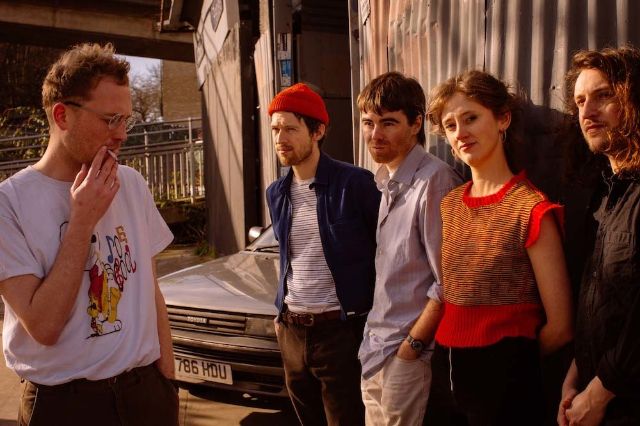
Kaputte Spielzeugmusik aus der Kartonschachtel: The Cool Greenhouse
The Cool Greenhouse legen mit ihrer Debütscheibe das perfekte Album hin, um eure Eltern in den Wahnsinn zu treiben. Absurdismus für Post-Punk-Masochisten.

Album der Woche: Yeo Neun von Okkyung Lee
Zwischen koreanischem Folk und New York Avantgarde steht die Cellistin Okkyung Lee. Mit ihrem Quartett reibt, kratzt, säuselt und improvisiert sie auf einer Spannungsbreite, die elegant und spielerisch daherkommt.
.png/jcr:content/magnolia-medium.png)