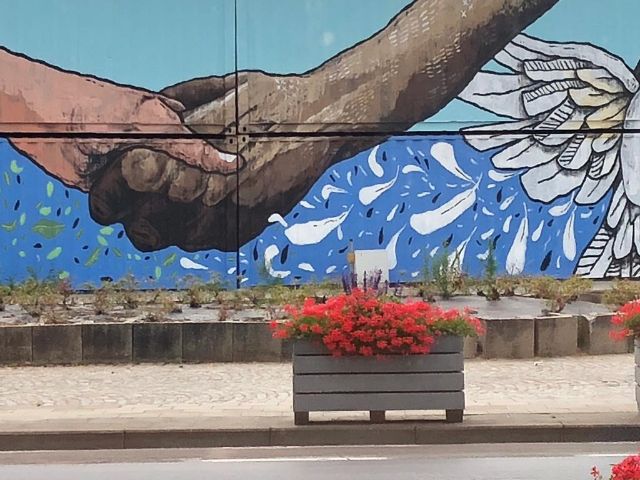
Woche gegen Rassismus 2023
Mit dem Schwerpunktthema Antibalkan-Rassismus
Dank der finanzellen Unterstützung der kantonalen Fachstelle für Integration und Antirassismus und der eidgenössischen Fachstelle für Rassismusbekämpfung setzt Radio X vom 20. bis 26. März 2023 die Woche gegen Rassismus um.
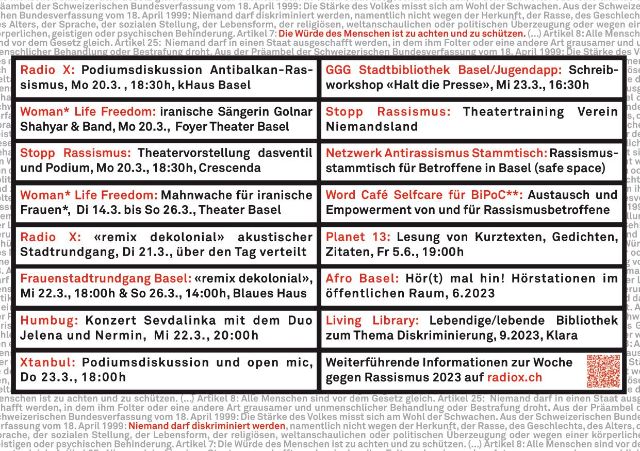
Podiumsdiskussion «Antibalkan-Rassismus» mit anschliessendem Apéro
am Montag, den 20. März 2023 um 19.00 Uhr im Forum des kHaus in Basel
mit einer Begrüssung von Jenny Pieth (Co-Leiterin der Abteilung Gleichstellung und Diversität im Präsidialdepartement) und einem Inputreferat von Myrsini Arvanitis (Historikerin)
anschliessend eine Podiumsdiskussion mit Arzije Asani (Audiovisual Storyteller) und Endrit Sadiku (Projektleiter Jugendapp Basel), moderiert von Merita Shabani (baba news)
Darüber hinaus engagieren sich folgende Partnerorganisationen mit einem antirassistischen Projekt in Kooperation mit Radio X:
- Mo, 20. März im Foyer Theater Basel: Woman* Life Freedom, iranische Sängerin Golnar Shahya und Band
- Mo, 20. März um 18.30 Uhr in der Villa Crescenda: Einfrautheaterstück von dasventil in Zusammenarbeit mit Stopp Rassismus und Crescenda. Im Einfraustück macht sich Bettina Zimmermann, Leiterin des nationalen Kompetenzzentrum, Gedanken, wie man Menschen kompetent willkommen heissen kann. Per Audioeinspielung kommen Geflüchtete mit Unerhörtem zu Wort. Anschliessend Podium (moderiert von Adelina Arendarska) und Apéro.
- Vom Di, 14. bis So, 26. März im Theater Basel: Mahnwache für iranische Frauen*
- Di, 21. März über den Tag verteilt auf Radio X: "remix dekolonial", akustischer Stadtrundgang
- Mi, 22. und So, 26. März vor dem Blauen Haus in Basel: Frauenstadtrundgang Basel "remix dekolonial"
- Mi, 22. März um 20 Uhr im Humbug: Konzert von Sevdalinka mit dem Duo Jelena und Nermin
- Do, 23. März um 18 Uhr in der Kunsthalle Basel: Podiumsdiskussion und open mic von Xtanbul
- Mi, 23. März um 16.30 Uhr: Schreibworkshop "Halt die Presse" der GGG Stadtbibliothek Basel/Jugendapp
- Fr, 28. April um 19.00 Uhr in der Union, Oberer Saal: Theatertraining, offener Theaterworkshop mit Fokus auf die Themen Rassismus, Diskriminierung. Verein Niemandsland in Kooperation mit Stopp Rassismus
- März/April: Netzwerk Antirassismus Stammtisch, Rassismusstammtisch für Betroffene in Basel (safe space)
- März/April: World Café Selfcare für PiPoC**: Austausch und Empowerment von und für Rassismusbetroffene
- Fr, 5. Juni um 19.00 Uhr: Planet 13 lädt ein zur Lesung von Kurztexten, Gedichten und Zitaten
- Juni 2023: Hör(t) mal hin! Hörstationen im öffentlichen Raum von Afro Basel
- September 2023 in der Klara: Living Library, lebendige/lebende Bibliothek zum Thema Diskriminierung


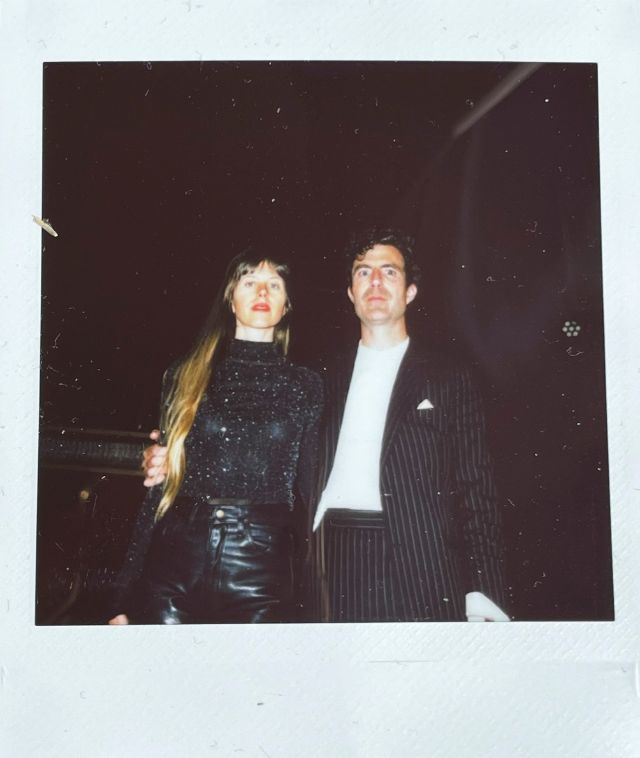
Lael Neale: "Maybe the museums should burn"
A brief interview with American chanteuse Lael Neale on the beauty (& ugliness) of personal experience composed in a universal language, all on the trails of her very own, dead poet society. Some thoughts recorded after attending her gig at DOKA, Amsterdam on a Monday night 19th of may 2025. von Mirco Kaempf
Lael Neale at DOKA, Amsterdam (19th may 2025)
Ein Interview mit der Amerikanischen Liedermacherin Lael Neale, aufgezeichnet im Backstageraum des Volkshotels (Doka) in Amsterdam.
Backstage at Doka, Amsterdam – May 19, 2025
Interviewer: Mirco, you can read another portrait here
You're currently touring your album Altogether Stranger through Europe. With such a busy schedule, I wonder—do you feel more like an alien or a human right now?
Lael Neale: Definitely more like an alien.
You wrote that Altogether Stranger was born from the sensation of returning from rural Virginia to Los Angeles. That contrast—neon lights, noise—made you feel out of place. Now that you’re touring Europe, do the songs feel different here?
That's a great question. I think alienation is everywhere now because of globalization. Driving into Amsterdam, we passed old windmills and then suddenly saw the golden arches of McDonald's. I love Europe—I see it as a place of high art and beauty—but modernity is spreading everywhere. The songs feel universal in that sense. I can feel alienated no matter where I go.
Your songs seem to help people refocus—like walking into a museum. Is that hard for you to maintain, that level of awareness?
Honestly, it's harder for me to lose focus. Being hyper-aware of everything isn't always healthy. There's value in critical thinking, but it can also suffocate you. I try to balance observation and judgment with simply breathing and accepting that there's beauty and ugliness in the world—and sometimes things are just... neutral.
So, would you say music helps you escape, or is it a way to hyper-focus?
Definitely hyper-focus.
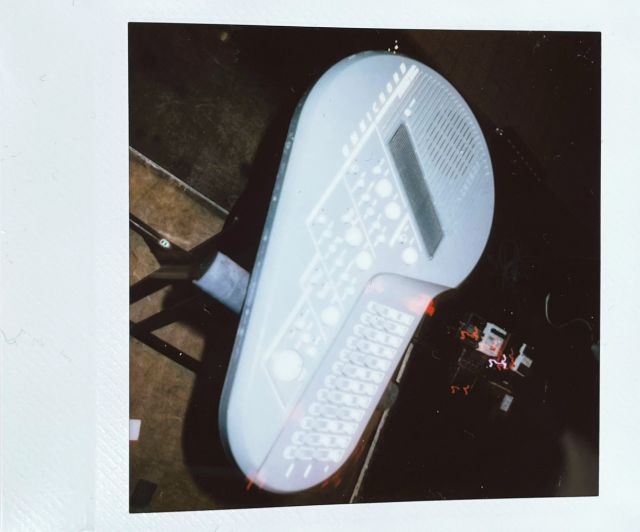
The sound on this album has evolved—less centered on the Omnichord and more textured. What role does the Omnichord still play?
It's still my main songwriting tool. Most songs start there. Some were written on guitar or piano, but the Omnichord remains central. The fuller sound on this record is thanks to Guy Blakeslee, who added more arrangements and textures.
The sound has this sharp, compressed quality. Why go for something so raw and edgy instead of more polished?
We consciously chose that sound. We cut a lot of the low end to make the vocals sharp—like a knife. When our mastering engineer, Chris Coady, started softening things, we were like, “No—make it even sharper!” Eventually, he embraced it too. The sound is very intentional.
Would a digital recording by a betrayal to your sound?
We recorded the last two albums on cassette machines for the texture and limitations. For Altogether Stranger, we tried tape again, but the machine kept going out of pitch—it was unusable. We switched to digital, which was hard philosophically, but we recorded everything quickly, in one or two weeks. It still feels raw and alive, and we approached it with the same intention as with tape.
Some lyrics touch on environmental themes—plastic in the ocean, for example. Has your music become more political?
I don’t see environmentalism as political. I want nothing to do with politics—it’s ruining everything. Taking care of the Earth and each other is just common sense. It’s been politicized, which creates unnecessary division. People may agree fundamentally, but the way it’s discussed creates conflict.
That makes me think of your songs as paintings hung in a burning museum—are they there to put the fire out?
Maybe the museums should burn. Maybe we should paint directly on the walls of old buildings. Museums might be over.
Last question: Do you believe in the goodness of human nature?
Yes, I do.
Thank you so much.
Verwandte Artikel
.jpg/jcr:content/Scannen%20(002).jpg)
Echokammern des Unterbewussten: Anastasia Coope im Interview
Die Musik der Freak Folk Sängerin bewegt sich langsam, beinahe zeremoniell. Die Lieder entfalten sich wie sorgfältig in einen Rahmen gesetzte Objekte: einfache Bilder, aufgehängt in einer Atmosphäre, die zugleich uralt und seltsam zeitgenössisch wirkt. Im Februar spielte sie ihr erstes und einziges Konzert in der Schweiz im Klub Bad Bonn - wir trafen sie dort zum Interview.
A Meeting with... Lewsberg
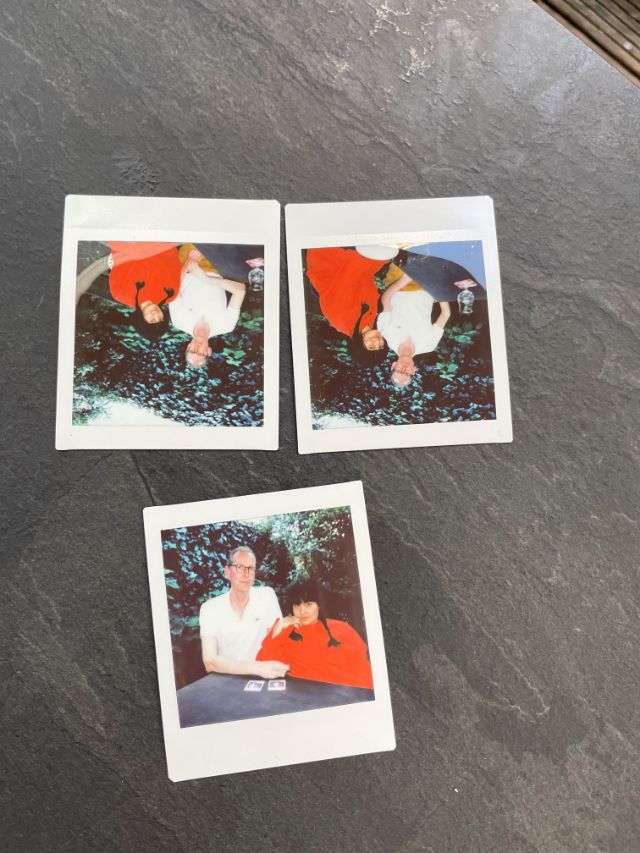
In This House von Lewsberg erschien am ersten Tag des niederländischen Corona-Lockdowns – eine Veröffentlichung ohne Tour, fast unbemerkt. Fünf Jahre später treffen wir in Rotterdam zwei ehemalige Mitglieder der inzwischen aufgelösten Band. Im Gespräch mit Arie van Vliet und Shalita Dietrich reden wir über unperfekte Musik, das Verschwinden kreativer Freiräume durch Gentrifizierung – und daüber, wie man als Band einen eigenen Sound findet, ohne die Einflüsse zu verstecken.
Album der Woche: Altogether Stranger von Lael Neale
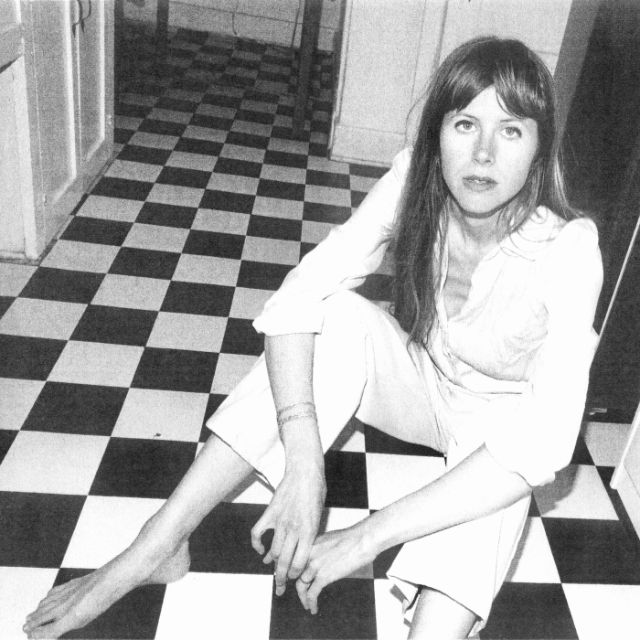
Altogether Stranger ist das dritte Album von Lael Neale, veröffentlicht via Sub Pop Records. Oft fühlt sich das Gehäuse des Kassettenrekorders wie eine konfessionslose Kirche aus Plastik an. Die Mischung aus Pop und Weirdo-Pop umgarnen Deklarationen der Unbeholfenheit, das DIY Symphonium verhilft zu Stimmungen, welche beiderlei, befreien und bedrücken.

"We make our own rules" Parsnip on reframing 1960s Pop
Mit ihrem zweiten Longplayer 'Behold' haben die Australier:innen von Parsnip einen beinahe orchestralen Pop Opus aufgenommen, welcher eine ganze Palette von Klangfarben von 1966-1968 zusammenmischt. Dennoch bewahren sie sich einen sehr zeitgenössischen Geist. Wir haben sie in Bern kurz vor ihrem drittletzten Auftritt ihrer ersten UK/EU Tour interviewt.
"Together we are stronger" Baroque Punk Band Melenas im Interview
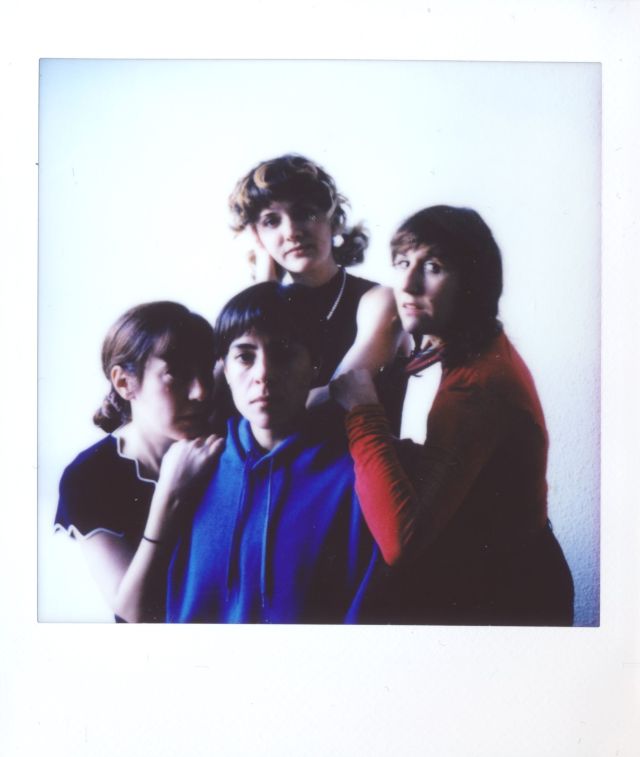
Melenas sind eine vierköpfige Band aus Pamplona in Spanien. In ihrem dritten Album "Ahora" singen sie in ihrer Muttersprache über Zeiträume und wie es diese zu gestalten gilt. Am vergangenen Mittwoch spielten sie in La Parenthèse, einem kleinen Club in Nyon, ihr bisher einziges Konzert in der Schweiz. Wir redeten über ihr spanisches Grauzone Cover und warum es wichtig ist, mit wem man seine Zeit verbringt.
.png/jcr:content/magnolia-medium.png)