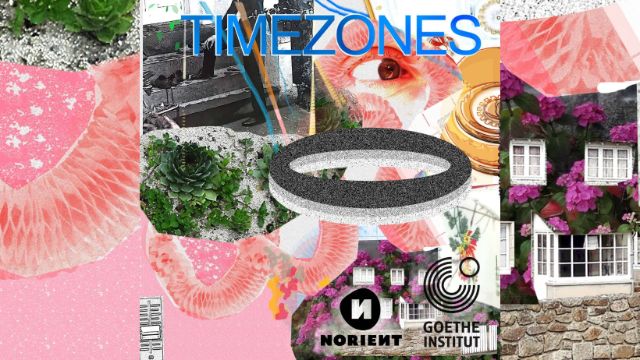
Norient TIMEZONES
TIMEZONES PODCAST-SERIE AUF RADIO X
Die Podcast-Reihe TIMEZONES erkundet die vielfältigen Realitäten von Künstler*innen und ihrer Praktiken weltweit und stellt die Frage: Was bedeutet es heute, in verschiedenen Ländern, Städten und Kontexten im Bereich Kultur und Kunst zu leben und zu arbeiten? Die Reise geht von Nairobi über Rio de Janeiro bis nach Beirut und Mount Makiling auf den Philippinen / die Ukraine und verarbeitet die Gedanken und Stimmungen der Künstler*innen, ihre sozialen, politischen und intellektuellen Realitäten und ihre(Lebens-) Philosophien zu künstlerischen Audiocollagen.
TIMEZONES spielt dabei mit Formaten und Inhalten: der Podcast bewegt sich zwischen Journalismus und Experiment, Dokumentation, Ethnografie, Fiktion, Klangkunst oder Improvisation. Georgrafische Grenzen, Zeitzonen, Genres und Praktiken sollen überschritten und mit neuen künstlerischen Formen des Austauschs, des Zuhörens und des Erzählens experimentiert werden. Gemeinsam mit lokalen Produzent*innen und Künstler*innen entstehen dabei sehr persönliche Portraits und aktuelle Geschichten aus Städten rund um den Globus, die einen sehr subjektiven Eindruck in das weltweite und aktuelle Musik-und Kunstgeschehen ermöglichen.
TIMEZONES ist ein gemeinsames Projekt des Goethe-Instituts und Norient, dem weltweiten Redaktionsnetzwerk für zeitgenössische Musik- und Medienkulturen.
Radio X ist neu als Partner mit an Bord: Als Weiterführung der im 2022 gestarteten Sendereihe airtime!, die künstlerischen Stimmen aus dem Globalen Süden und Osten Gehör verschafft, strahlen wir einmal im Monat eine Podcast-Folge aus.
26. April NAIROBI: Nairobi’s Next Generation Music Producers and Performing Artists Speak Out
24. Mai BEIRUT: Traces of a City – A Pod Poem
21. Juni RIO DE JANEIRO: Staying Creative Between Beauty and Chaos in Rio de Janeiro
19. Juli MOUNT MAKILING: Ears on/of Mount Makiling
23. August BUENOS AIRES: Relations Condensed in Practice
ENG:
The TIMEZONES podcast series plunges into the world of artists and their practices, asking: what does living and working in culture and the arts involve in different countries, cities, and contexts today? The experimental journey goes from Nairobi via Rio de Janeiro to Beirut and Mount Makiling in the Philippines/Ukraine and brings the he artists’ thoughts on their moods, their social, political, and intellectual realities and their philosophies (of life) into experimental audio collages.
The TIMEZONES podcasts run the gamut of formats and content, from straight journalism to experimental and documentary approaches, ethnography and fiction, sound art, and improvisation. The series endeavors to create new artistic forms of storytelling, listening and exchange across the boundaries of geography, time zones, genres, and practices. Together with local producers and artists, the podcast creates very personal portraits and current stories from cities around the globe, which allow a very subjective impression of the worldwide and current music and art scenes.
The Timezones Podcast Series is co-initiated and co-produced by the Goethe-Instituts and Norient, the worldwide platform and network for contemporary music and media cultures.
Radio X is now on board as a partner: As a continuation of the series airtime!, which was launched in 2022 and which makes artistic voices from the Global South and East heard, we broadcast a podcast episode once a month.
April 26, NAIROBI:
May 24, BEIRUT: Traces of a City – A Pod Poem
June 21, RIO DE JANEIRO: Staying Creative Between Beauty and Chaos in Rio de Janeiro
July 19, MOUNT MAKILING: Ears on/of Mount Makiling
August 23, BUENOS AIRES: Relations Condensed in Practice
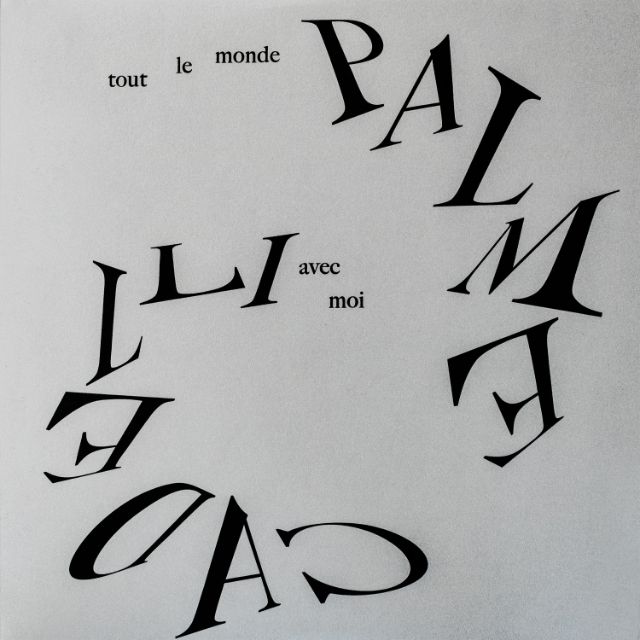
Album der Woche: PALME CADELLI - tout le monde avec moi
Die Stimme von Anissa Cadelli trägt das Debütalbum tout le monde avec moi von Palme Cadelli wie ein exorzistisches Instrument. Zwischen Loops, Jazzpunk und radikaler Ehrlichkeit entstehen Songs, die sich gegen Muster und Konventionen stellen. von Mirco Kaempf
palme cadelli - tout le monde avec moi
Das Debütalbum des Duos Palme Cadelli erschien am Freitag 24.10.25 via Cheptel / Facile à Avoir Records
„Maybe it’s anti-music. But that’s music.“
Folgen wir den Mustern – oder folgen die Muster uns? Wie können wir uns unsere eigenen Verhaltensmuster austreiben, und wer gibt am Ende wirklich den Ton an? Ersetzt man das Wort „Muster“ durch Loops, Samples oder Gesang, und man befindet sich mittendrin – im Debütalbum des Genfer-Tessiner-Duos Palme Cadelli.
Die markant resonierende Stimme erkennt man sofort: Es ist die ewige Stimme der Genfer Musikerin und Lyrikerin Anissa Cadelli. Nachdem sie zuvor schon Releases mit Barrio Colette und Bandit Voyage veröffentlicht hatte, nimmt sie in Palme Cadelli eine neue Rolle ein – die einer Exorzistin. In sechs Kompositionen singt sie über Figuren hinweg, gegen Figuren an oder verortet sie in sich selbst.
Palme Cadelli entstand als Idee von Simone Bernardoni, Musiker bei Bitter Moon und Pussywarmer sowie Festivalmacher vom Facciamo la Corte bei Lugano. Er arbeitete schon länger an Loops und holte sich Anissa Cadelli dazu, um ihre Poesie mit seinen Klangstrukturen zu verbinden.
How did Palme Cadelli start?
Anissa:
The idea came from Simone. He was already making these strange loops and wanted to build something with them. When we met, he knew he wanted my voice. I wasn’t sure how it could be interesting, but I started recording my poetry, freely, without overthinking. I thought we’d cut parts out, but Simone said, “It’s perfect, we’re not cutting anything.”
That honesty became the foundation. Simone makes all the music, I do the text and vocals. We joke that I don’t want to hear the music before, and he doesn’t want to know the lyrics—it’s magic when we bring them together.
How did that develop into a live setup?
Anissa:
We knew we needed a band for density. It’s hard to play loops—you have to stay in a collective trance. Simone had the vision: the band keeps playing no matter what happens, even if I disappear. They don’t look at me, not rudely, but because we wanted to mix two separate energies. The first concerts were radical—like two forces colliding.
Die beiden scherzen oft, dass sie die Musik nicht hören will, bevor sie die Lyrics gesungen hat, und er die Lyrics nicht kennen will. Es ist daher nicht überraschend, dass die Songs unkonventionell und eigenständig zusammenkommen.
Das Album entstand in La Valle di Blenio im Tessin, in der Nähe eines Friedhofs. Ob man daraus einen gotischen oder eher zeitlosen Aspekt in der Musik hört, bleibt offen. Die Lyrics wirken oft wie Geisterstimmen. In «tu ne serais aimer une chanson» singt Anissa Cadelli:
„Ma vie est une mélodie pathétique que je n'arrive même pas à chanter… Tu kidnappes mon cerveau.“
Ihr Leben gleicht einer erbärmlichen Melodie, die sie nicht einmal singen kann – ein Bild für Überforderung, Zärtlichkeit und die Ironie des Daseins. Vieles klingt nach einem nagenden Liebesphantom in einer existenziell erschütterten Welt. Songs wie Regarde moi sind in ihrer Essenz radikal antipatriarchal, sehr intim, intensiv und roh.
In your lyrics you often adress someone as “you.” Who is that?
Anissa:
It’s always true, but it’s about many people—five different persons who become one. It lets me be freer and say radical things, protecting myself by turning them into a kind of monster with many heads. In a mystical way, I’m speaking about myself.
So it’s personal, but universal too?
Anissa:
Yes. After a concert, a young guy told me he cried because he realized the mirror I held wasn’t for me but for the audience. I loved that. When you dare to express yourself honestly, you speak about the world.
Do you get away from the ghosts in your songs?
Anissa:
By doing that, yes—but it welcomes new ones. I live with those ghosts. It’s like therapy for me, only the couch is the stage.
Wer Palme Cadelli live sehen möchte, wird mit einem intensiven Sound überschwemmt, der einem Baudelaire Jazzpunk noch Raum lässt. Das Studioalbum hingegen nimmt eine andere Wendung. Es ist introspektiver, noch unkonventioneller. Und man bleibt mit der Frage zurück: Welche Geister werden hier beschworen oder ausgetrieben? Sind es persönliche Erfahrungen mit Menschen aus dem echten Leben, sind es gesellschaftlich erwartete Konformitäten von ihr als Frau, oder sind es vielleicht von der Popmusik verwahrloste Hörmuster, die hier zerstört werden sollen? Ja, es ist Anti-Musik, gewissermassen. Aber es führt zur Erkenntnis, dass alles – Musik ist.
I am reading certain songs as clearly anti-patriarchal and feminist. Am I correct in this?
Anissa:
Yes, but it's not intentionally political—it comes from honesty. As a woman daring to share my life as it is, that becomes feminist. Palme Cadelli is about details; looking deeply into things is revolutionary. Simone works like that too. We didn’t want to stay in formats or what’s easy to listen to. For us, that’s the political part—listening to yourself and letting that guide the work.
Would you call Palme Cadelli anti-music?
Anissa:
Maybe. I’m a bit scared of the statement, but yes, it’s anti-music. And when you finish the album, you might realize—that’s music. When you’re free to do whatever you want, that’s music.
tout le monde avec moi von Palme Cadelli ist am vergangenen Freitag via Cheptel und Facile à avoir Records erschienen.
Verwandte Artikel
Kosmopop im Keller: Peki Momés und Bandit Voyage im Hirschi
Türkischer City Pop trifft auf Yé-Yé-Punk: Heute Abend spielen Peki Momés aus Leipzig und das Genfer Duo Bandit Voyage ein Doppelkonzert im Keller des Hirscheneck. Beginn ist um 20 Uhr.
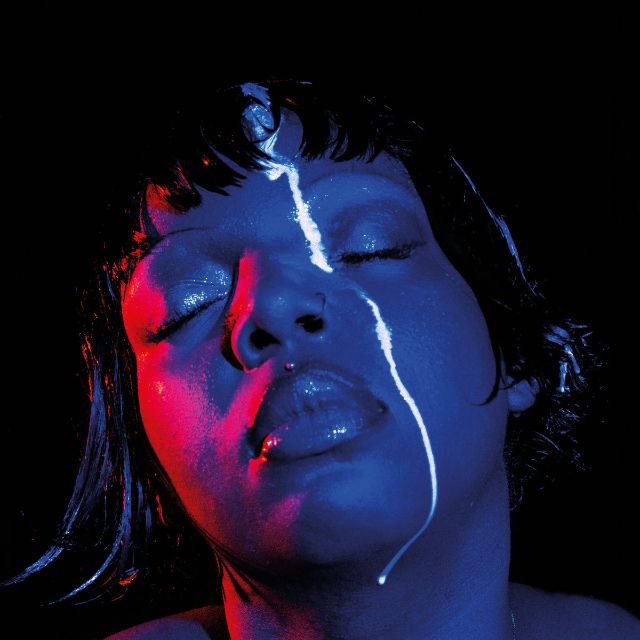
Album der Woche: Hooke's Law von KeiyaA
Die Sängerin und Producerin KeiyaA hat vor fünf Jahren mit ihrem Debütalbum "Forever, Ya Girl" international viel Lob bekommen. Ihr neues Album "hooke’s law", hat Einflüsse von Soul und RnB bis hin zu Elektro und Jungle und ist ein Dokument des Überlebens, in dem sich die Künstlerin frei von Selbsturteilen dekonstruiert und wieder aufbaut.
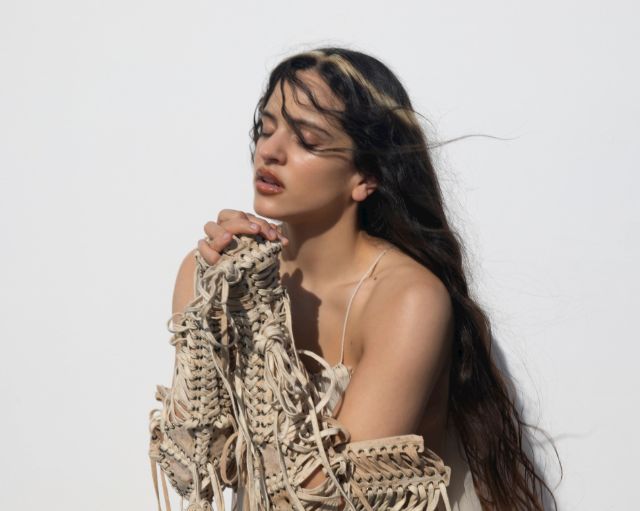
Album der Woche: LUX von ROSALÍA
In den zwei Jahren seit ihrem letzten Album «Motomami» hat sich Rosalia neu orientiert und sich von Reggaeton, Party und schnellen Motorrädern gelöst, um sich ein Jahr lang mit dem Studium der Weltreligionen und ihren weiblichen Heiligenfiguren zu beschäftigen. So ist mit dem neuen Album LUX ein maximalistisches Pop-Album mit grossem Sound entstanden, das sich inhaltlich wie auch klanglich an der Vergangenheit inspiriert.
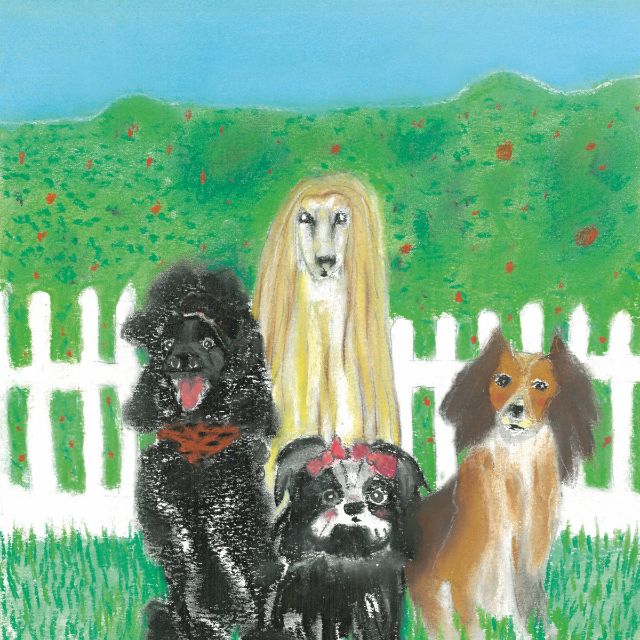
Album der Woche: Working in the Garden von Batbait
Vor Unkraut strotzt es viel, doch Widerstand muss erst mal kultiviert werden. Working in the Garden, das zweite Album der Zürcher Garagerock-Band Batbait, strotzt vor feministischen Prinzipien und findet nonchalante Formulierungen für mürbe Zustände.

Milch, Markt und Moral - Die Folgen eines Milchüberschusses
Die Schweiz mag ihre Kühe. Über eine halbe Million Milchkühe leben in der Schweiz. In den Milchkühen steckt viel Geld – fast 3 Milliarden Franken Produktionswert durch Milch und Milchprodukte jährlich. Das ist fast dreimal so viel wie das Nettovermögen von Roger Federer. Doch aufgrund Marktschwingungen sollen rund 25 000 Kühe getötet werden, mehr dazu erfährst du in diesem Beitrag.

.png/jcr:content/magnolia-medium.png)